You can read the interview in English here
Aquí siempre se ha apoyado todo tipo de música. Hay quienes prefieren una tarde tranquila con reggae de fondo, quienes se pasan 12 horas bailando techno bien duro, e incluso quienes, sin tener ni puñetera idea del idioma de Shakespeare, son unos eruditos del britpop. No se puede juzgar a nadie, siempre hemos escuchado de todo. Crecimos con Estopa, Ska-P, Iron Maiden e incluso Frank-T. ¿Nula cultura musical? Tal vez. ¿Amplio abanico sonoro? Seguro.
Sin duda alguna, uno de los estilos que marcó nuestra infancia (y nuestra madurez) fue el rap. Con el paso de los años y las amistades, tuvimos la oportunidad de acercarnos al rap francés, un estilo que sin duda ha sido el protagonista de muchas de nuestras historias. Desde aquellas tierras, las canciones de Suprême NTM e IAM llegaron a nuestras manos como una ola de cultura. Luego pasaron por nuestros oídos muchos otros: Booba, Kery James (Keni Ankara), SCH, Marwa Loud, JUL, Niska, Vegedream e incluso Aya Nakamura cantando en la Fête de l’Huma (sí, una locura).
Entre la infinita lista de raperos franceses, lejos de ser el más famoso, hay uno que siempre nos ha encajado. Puede que no tenga las mayores cifras de escuchas ni llene estadios. Seguro que no pasa sus vacaciones en Dubái ni factura millones. Él viene de las calles de París, y ahí es donde se inspira. Tras muchos años escuchándolo en nuestros cascos y tras habernos cruzado con él en cierto bar parisino, Costa BLF se pasa hoy por nuestro blog.
Empecemos por el principio. ¿Quién es Costa? ¿Cómo nace el artista detrás de la persona?
Elegí Costa como nombre artístico porque es mi nombre de pila, y me expreso como tal. No intento interpretar un personaje e intento ser lo más auténtico posible, aunque pueda exagerar algunos rasgos de vez en cuando, jaja. El artista y la persona son básicamente lo mismo; sería demasiado esquizofrénico para mí interpretar un papel.
Todo el mundo se pregunta: ¿a qué hace referencia BLF?
No sé si todo el mundo se lo pregunta, jaja, pero significa “Baise Les Fafs”, es decir, que le den a los fascistas. Siempre estuvo ahí al principio de mi carrera, pero hoy rapeo solo como Costa, sin el BLF, porque lo que cuento y mi persona representan algo más amplio que solo eso. Es como mi apellido: a veces se pronuncia entero, pero a menudo solo el nombre.
Nunca lo has escondido. Tu relación con AFA París (colectivo militante antifascista de París) ha sido la protagonista de cientos de fotos y de más de un videoclip, donde se pueden ver banderas de AFA. ¿Cómo nació tu relación con ellos?
AFA París es un grupo antifascista de París con el que mantengo una estrecha relación, como con cualquier movimiento antifascista autónomo parisino. Como persona, apoyo lo que hacen, así que me parece lógico representarlo en mis vídeos.
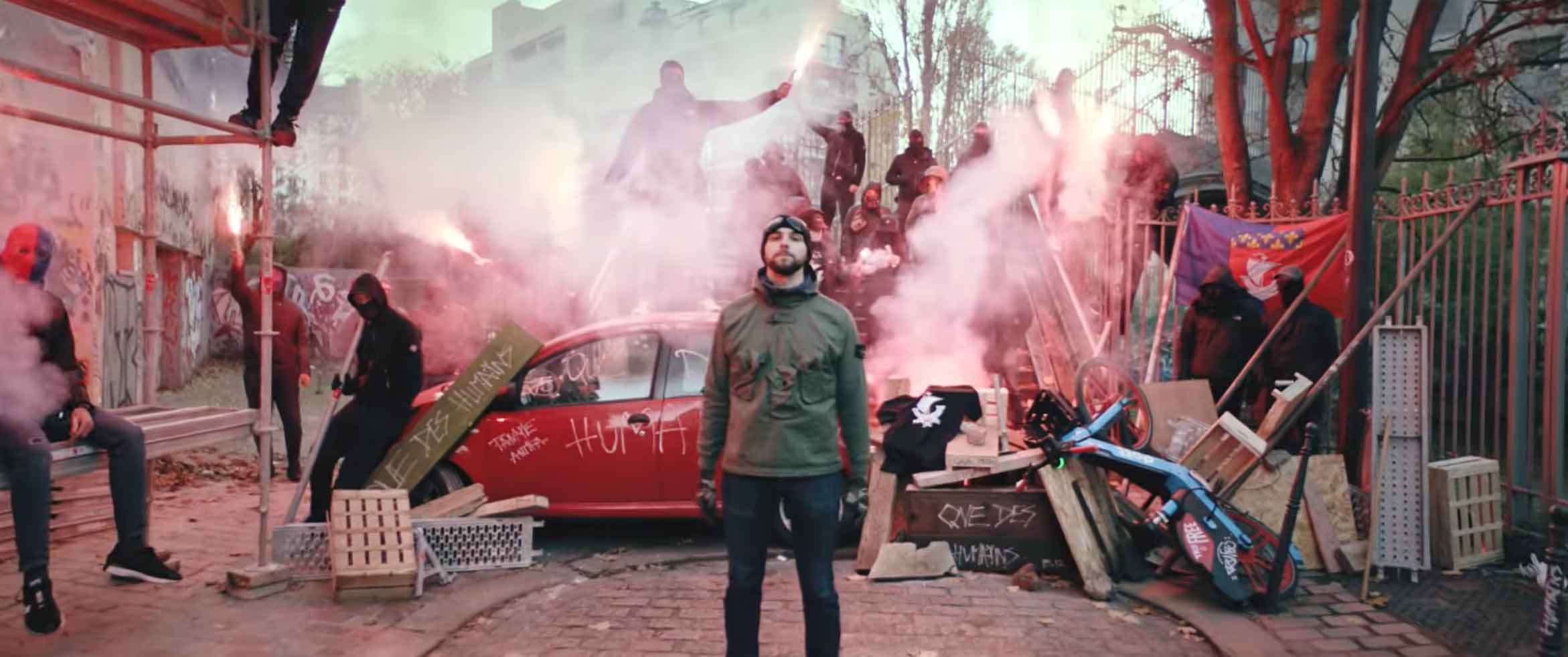
De hecho, mucha gente te asocia al antifascismo y a la cultura ultra. ¿Crees que el rap es hoy la mejor herramienta para mantener vivos los valores que, según nosotros, debería tener una sociedad?
No creo que el rap sea el mejor medio, pero es el ámbito que más domino y por eso intento representar esos valores en él. Creo que todos deberíamos intentar representar esos valores en los campos en los que nos movemos y que nos gustan; para mí es el rap, para otra persona será otro ámbito.
En muchos de tus clips, la represión policial es omnipresente. ¿Cómo te afecta eso a nivel personal?
No creo que sufra tanto la represión policial: soy blanco y no vengo de la periferia (banlieue). Sin embargo, puedo observarla a mi alrededor a diario en París, ya sea con mis allegados, por historias que me cuentan, en manifestaciones o en las calles de la capital todos los días. Así que me acaba afectando mentalmente sin ser yo el objetivo principal.
En el mundo de la música actual, donde los seguidores priman sobre todo lo demás, hemos visto que siempre te has posicionado del lado de los conflictos sociales (ya sea sacando banderas antifascistas en tus clips como hemos comentado o solidarizándote con diversas causas, como el asesinato de Nahel, por ejemplo). ¿Por qué crees que es importante posicionarse dado tu estatus?
Posicionarse no impide construir una carrera musical. Es cierto que puede cerrarte puertas, por lo que puede llevar más tiempo. Tenemos muchos ejemplos como Médine o 2L. Intento posicionarme sin olvidar la calidad musical y el flow, porque me gusta tanto el rap y la buena música como nuestra lucha. Es importante hacer que nuestras ideas sean accesibles y elegantes.
En tus vídeos se observan varios escenarios habituales como las calles de Ménilmontant. Durante nuestras visitas a Ménil’ y nuestras largas noches en el Saint-Sauveur (que en paz descanse), se te podía ver frecuentando el barrio. ¿Qué significa para ti este barrio del norte de París? ¿Por qué es importante para tu carrera musical?
Este barrio es importante en mi construcción como persona, no solo como artista. Llevo parando por allí desde los 15 años, todas mis aventuras empezaban allí. La mezcla social del barrio y la gente de diferentes orígenes que he podido conocer me han hecho evolucionar en mi forma de ver las cosas.
Una de las cosas que más llama la atención de tus temas es tu “armario”. Stone Island, CP Company, Fred Perry… Pocos músicos tienen más estilo que tú. En cada clip sales con una prenda especial. ¿Cuál es tu relación con la ropa? ¿Qué significa para ti llevar estas marcas?
¡Jaja, gracias por el cumplido! Para mí la ropa es un medio de expresión. El color, el tejido, los códigos a los que pertenece el estilo… nos expresamos muchísimo a través de la ropa, queramos o no. El estilo casual forma parte de mi identidad, me encanta porque, dependiendo de la prenda que te pongas y con qué la combines, puedes camuflarte en cualquier parte. No es solo una prenda, es toda una cultura y un estilo de vida lo que llevo puesto.
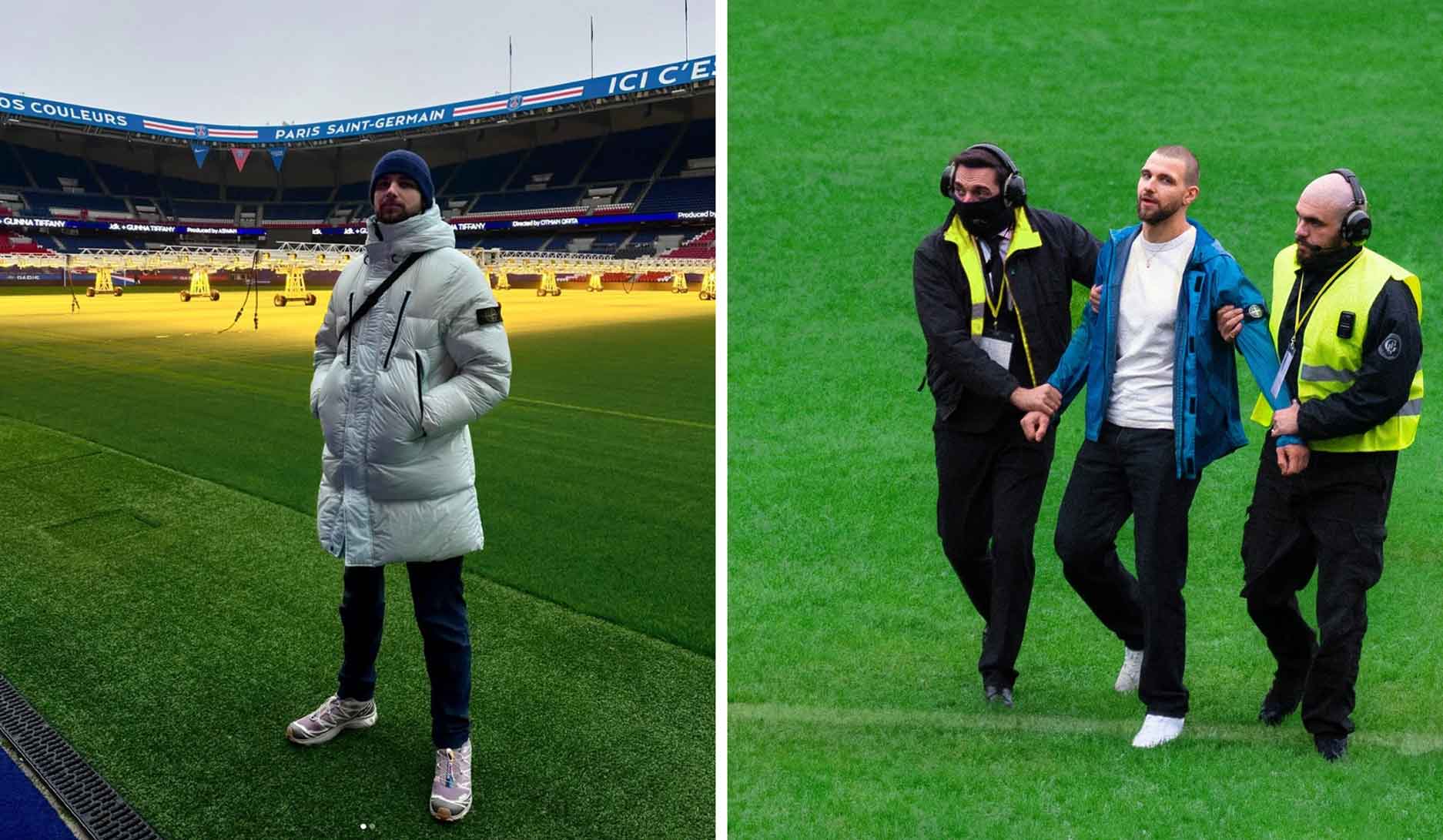
Desafortunadamente, con el auge de las redes sociales, vemos a DJs, cantantes, entrenadores de fútbol e incluso actores vistiendo las creaciones de Massimo Osti. Es cierto que gastarse 200€ en una chaqueta no les cambia la vida, pero ¿cómo crees que esta cultura puede seguir siendo accesible para la gente de barrio?
Es verdad que hoy en día todo el mundo lleva Stone Island y CP Company, y también se ha vuelto extremadamente caro. Yo nunca compro nuevo, siempre de segunda mano. Dada la calidad de las prendas, te duran muchísimo tiempo y consumir así también va en contra de la fast fashion. ¡También recomiendo robar cuando podáis, jaja!
Si hablamos de detalles, no podemos ignorar tu cuidado visual. Muchos de tus diseños los realiza Julien Kudic, si no nos equivocamos. ¿Es importante para ti la parte visual de tus proyectos?
La parte visual es muy importante para mí, precisamente porque no hay que descuidarla dadas las ideas que se quieren transmitir. ¿Cómo pretendes transmitir un mensaje en el fondo si la forma no es buena? El aspecto visual es lo primero que ve el oyente; si no le entra por los ojos, nunca irá a buscar el mensaje del fondo. Julien Kudic es uno de los mejores en su trabajo y es un placer trabajar con él; consigue plasmar todas mis ideas y combinarlas con las suyas.
Hablemos de fútbol. En muchos de tus trabajos vemos referencias a ese fútbol clásico que tanto echamos de menos. ¿Qué ha representado o representa el fútbol en tu vida y cómo se refleja en tu arte?
El fútbol siempre ha estado presente en mi vida, incluso quise dedicarme a ello profesionalmente, como muchos, jaja. De este deporte emana una gran cultura, ya sea en el campo con el estilo de los jugadores y el diseño de las camisetas, o en las gradas con la cultura ultra. Al ser un chaval de los años 2000, mi música y mi estética están llenas de referencias de esa época.
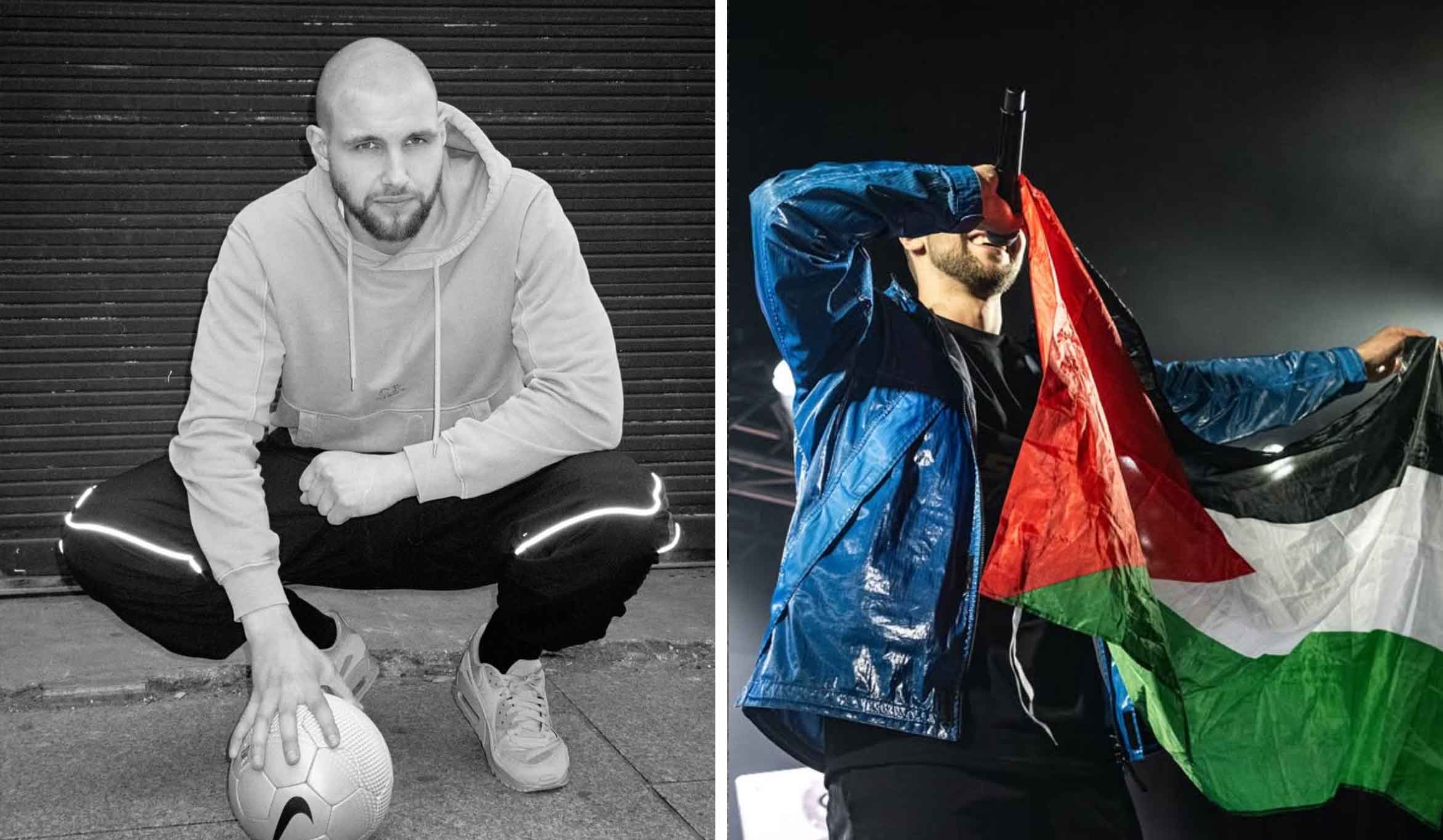
El fútbol moderno, el que lamentablemente vivimos hoy, está muy alejado del aficionado de a pie. Aunque nos lo imaginamos, queremos oírlo de tu boca: ¿cuál es el equipo de tu corazón?
JAJAJAJAJA. Obviamente el PSG, sobre todo recientemente desde la marcha de Mbappé. Pero mi verdadero equipo del corazón es la Grecia de 2004. También me volvía loco el Barça de Ronaldinho.
Ser aficionado del PSG es, cuanto menos, complicado. ¿Cómo vives la dicotomía entre animar al PSG y todas las críticas que recibe el club por ser uno de los mayores representantes del fútbol negocio desde que Nasser Al-Khelaïfi tomó el control?
Es cierto que apoyo al PSG, pero no estoy metido a nivel ultra y raras veces voy al estadio. Creo que todos los clubes están metidos en el fútbol negocio, y la fuerza de los ultras radica también en hacer de barrera frente a las decisiones puramente comerciales del club, desde el principio. Por lo tanto, ambas partes siempre han tenido objetivos diferentes desde hace mucho tiempo. No es raro que haya oposición entre los aficionados y el club. Al final, los ultras apoyan a una ciudad, no a la directiva del club que la representa.
¿Has tenido la oportunidad de seguir a tu equipo en Francia y en el extranjero? ¿Cuál es el estadio que más te ha impresionado, no por su lujo, sino por la presión y el estilo de sus aficionados?
He tenido la oportunidad de ir a varios partidos, tanto en casa como fuera. El que más recuerdo fue en Turín para la Champions League. La zona visitante parisina cantaba tan fuerte durante todo el partido que los demás aficionados estaban impresionados. Pero debo reconocer que el mejor ambiente en un desplazamiento hasta ahora fue el partido del Rayo contra el Estrasburgo.
¿Has acompañado alguna vez a otro equipo fuera de tu ciudad?
Sí, he ido a varios partidos en cuanto se me presenta la ocasión. No puedo citar uno en particular, jaja, pero el último hasta la fecha fue ese con el Rayo ¡y fue de los mejores!
Hace unos meses participaste en Titi Parisien 2, un tema de Seth Gueko donde se veía una versión personalizada de la camiseta del PSG. También hemos visto visuales de conciertos donde aparecías con ese corte de pelo icónico de Ronaldo. ¿Por qué elegiste este estilo para tus temas?
Como he dicho antes, mi música y yo somos uno solo. Por lo tanto, es lógico para mí representar la cultura en la que me he criado, y el fútbol ha ocupado un gran lugar en mi vida.
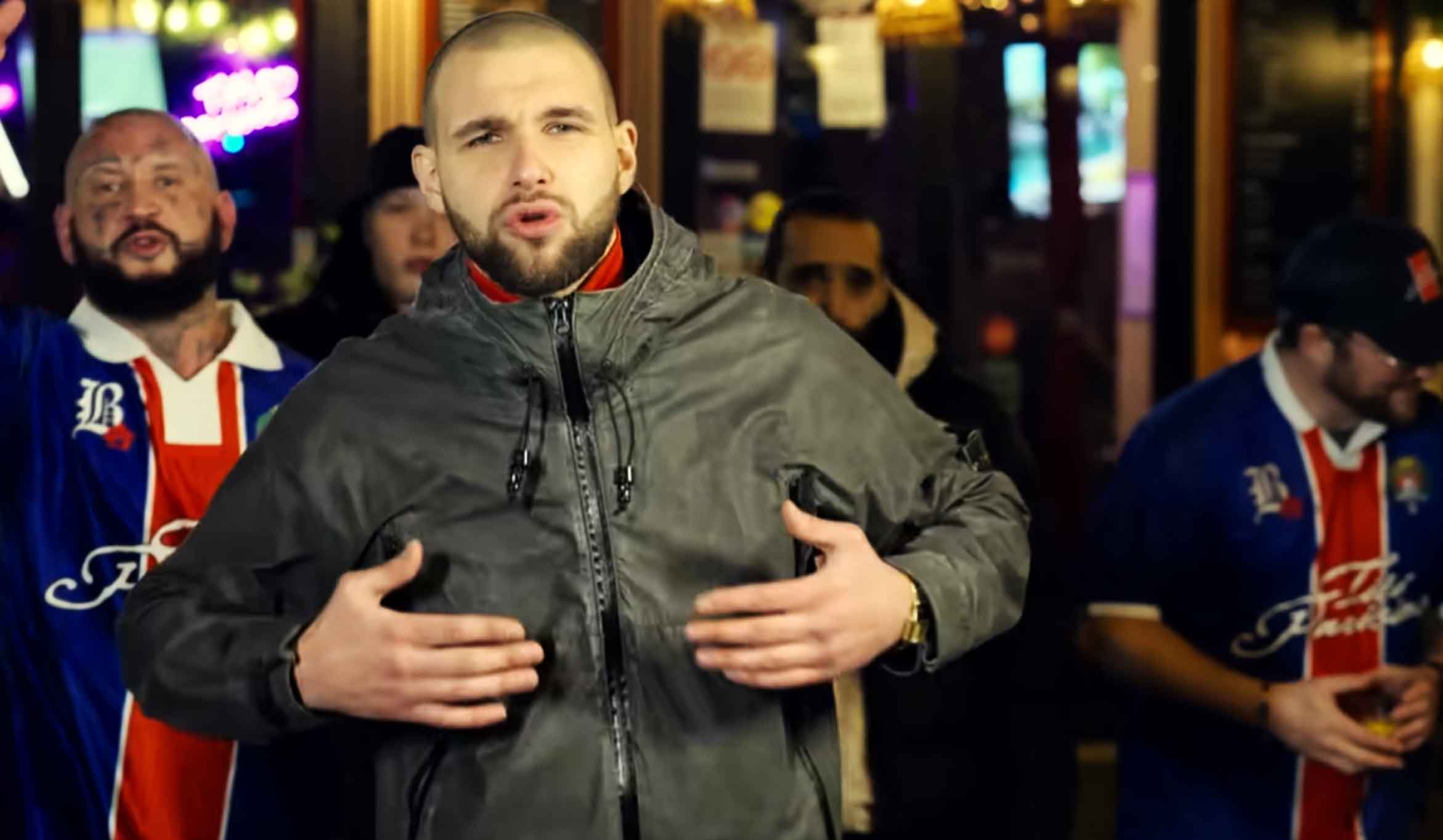
Hablando de camisetas de fútbol y sus usos. El movimiento Blokecore (usar camisetas de fútbol clásicas como moda) ha saltado de la calle a las pasarelas. ¿Te molesta ver ropa de estadio llevada por gente que nunca ha pisado una grada, o crees que ayuda a difundir la cultura?
No sabía que este movimiento tuviera nombre, jaja. Creo que, desgraciadamente, al margen de la opinión que se tenga al respecto, no se puede evitar. La moda siempre se ha nutrido de las subculturas para descontextualizarlas. Lo único que se puede hacer es seguir llevando la ropa como de costumbre dentro de la subcultura, y hacer sentir a quienes la desvirtúan que están fuera del movimiento. El Blokecore no es lo peor porque, en sí, la gente siempre ha llevado camisetas de fútbol incluso fuera de las gradas, para hacer deporte o los domingos en casa.
Si tuvieras que elegir una vestimenta para ir al estadio este fin de semana en 2026, ¿cuál sería el outfit imprescindible?
Una bufanda Aquascutum.
¿Cuál es esa prenda “fetiche” que tienes en el armario y que nunca dejarás de ponerte, a pesar de los años y las modas?
La parka de entrenador de la colaboración Stone Island x Nike.
Si pudieras elegir a un futbolista (retirado o en activo) para que apareciera en tu próximo videoclip, ¿quién encajaría mejor con la estética “Costa”?
Éric Cantona.
¿Qué significan para ti los “Awaydays” (ese concepto anglosajon tan utilizado)? ¿Hay algún desplazamiento siguiendo a un equipo que te haya inspirado un tema en particular?
Awaydays para mí significa “una pausa en la vida”. Es como irte lejos de tus problemas y no pensar más que en el momento presente.
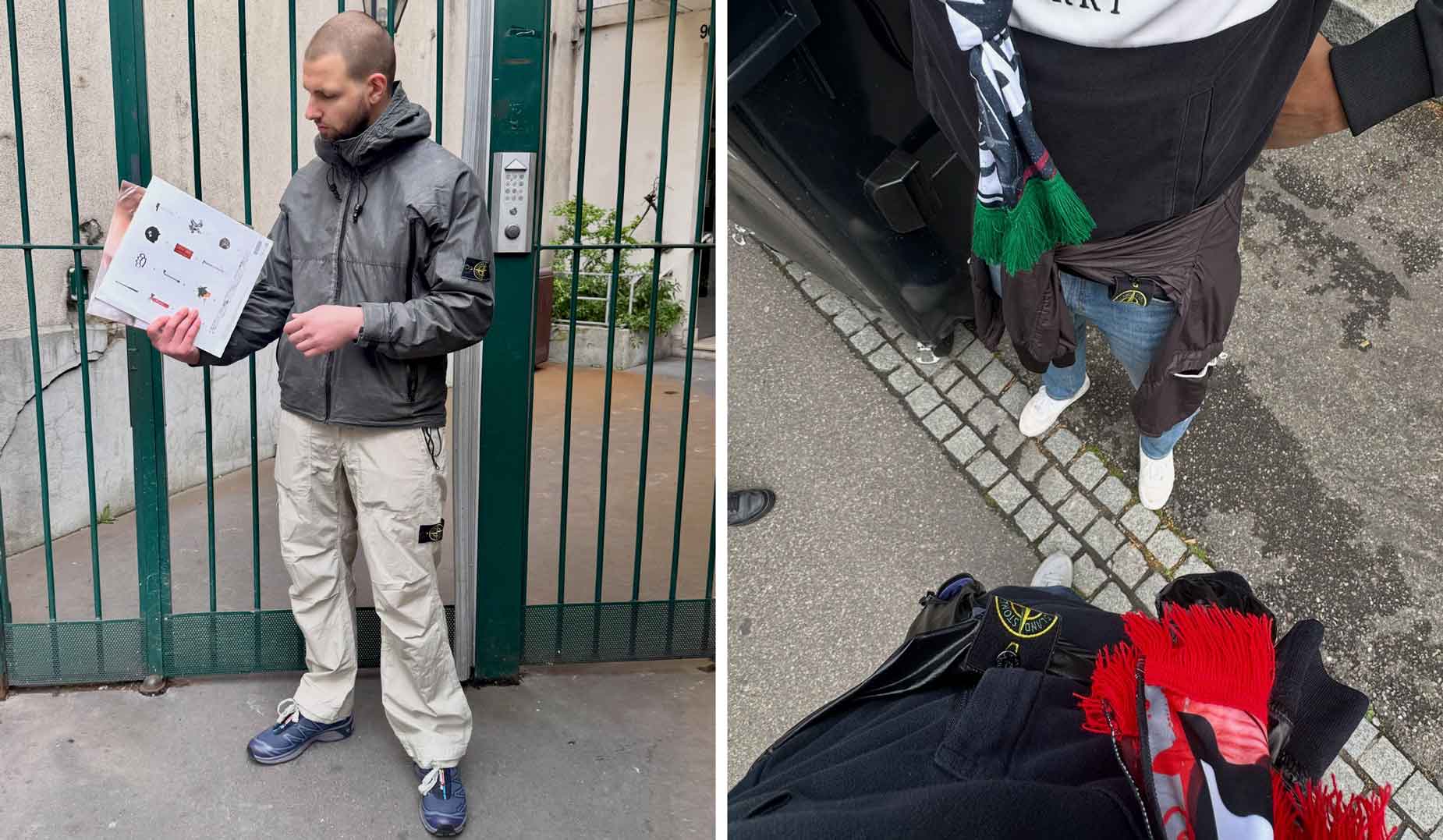
Se dice que “el fútbol moderno es una mierda”. Como artista, ¿qué es lo que más echas de menos del fútbol de los 90 y cómo intentas recuperarlo a través de tu estética?
Lo que más echo de menos es la estética desacomplejada, que era menos plana, y que había más jugadores técnicos. Hoy en día los futbolistas son atletas completos; la velocidad y el físico priman sobre lo demás. Así que intento ser un rapero técnico con un apartado visual fuerte y sin complejos, jaja.
Volviendo a la actualidad. ¿Veremos colaboraciones con marcas de ropa o prefieres mantener una independencia total?
Depende de la marca, ¡por qué no!
En un mundo de algoritmos y fast-fashion, ¿qué mensaje le das a los jóvenes que buscan la autenticidad en la mezcla de fútbol, ropa y música?
Puede sonar cursi, pero deja el teléfono, vete al estadio con tus colegas y vive momentos reales ahí fuera; al final es lo único con lo que te quedas.
Para terminar, Costa: si tuviéramos que sacar una prenda exclusiva inspirada en tu universo, ¿qué elemento o detalle no podría faltar para que tú mismo la llevaras?
Es bastante difícil responder así de primeras, ¡pero diría que un pasamontañas integrado en la capucha! Imprescindible en la ciudad.
Carta blanca para decirnos lo que quieras.
Gracias por hacer que esta cultura siga viva. ¡Mucho amor para vosotros!